


You glance in the mirror one morning and notice something different. Maybe it’s a new line around your eyes that wasn’t there last week, or your skin just doesn’t bounce back the way it used to. Perhaps your complexion looks duller than usual, even with adequate sleep. While aging is natural, sometimes our skin shows signs of aging faster than expected. Understanding these early warning signals can help you take action before they become more pronounced.
Premature skin aging can result from numerous factors beyond just time. Environmental stressors like UV radiation and pollution, lifestyle choices, and even daily skincare habits all play crucial roles. Some people in their thirties might notice significant changes, while others maintain youthful-looking skin well into their forties and beyond. The difference often lies in early recognition and proactive care.
The visible signs of skin aging don’t appear overnight, but when you know what to look for, you can address them effectively. Join Introstem as we explore the five telltale indicators that your skin might be aging prematurely and what you can do to support a healthier, more resilient complexion at any age.
1. Fine Lines Appearing Earlier Than Expected
One of the first signs of skin aging that many people notice is the appearance of fine lines, particularly around the eyes, forehead, and mouth. While expression lines are normal and even charming (they show you’ve lived a life full of smiles and laughter), premature lines that appear deeper or more numerous than typical for your age group might indicate accelerated aging.
These lines often appear because of collagen breakdown, environmental damage, or dehydration. The delicate skin around your eyes is especially vulnerable since it’s thinner than other facial areas and has fewer oil glands to keep it moisturized. When you squint, smile, or make other facial expressions thousands of times per day, the skin in these areas creases repeatedly. In young, resilient skin, these creases disappear completely. As skin loses elasticity and moisture, however, some of these lines begin to linger even when your face is at rest.
Sun exposure accelerates this process significantly. UV rays break down collagen and elastin fibers in the skin, weakening its structural support. Even brief daily sun exposure adds up over the years, contributing to premature line formation. Additionally, factors like sleeping position, smoking, and even repetitive facial movements from things like drinking through a straw can create or deepen lines over time.
What to Do About It:
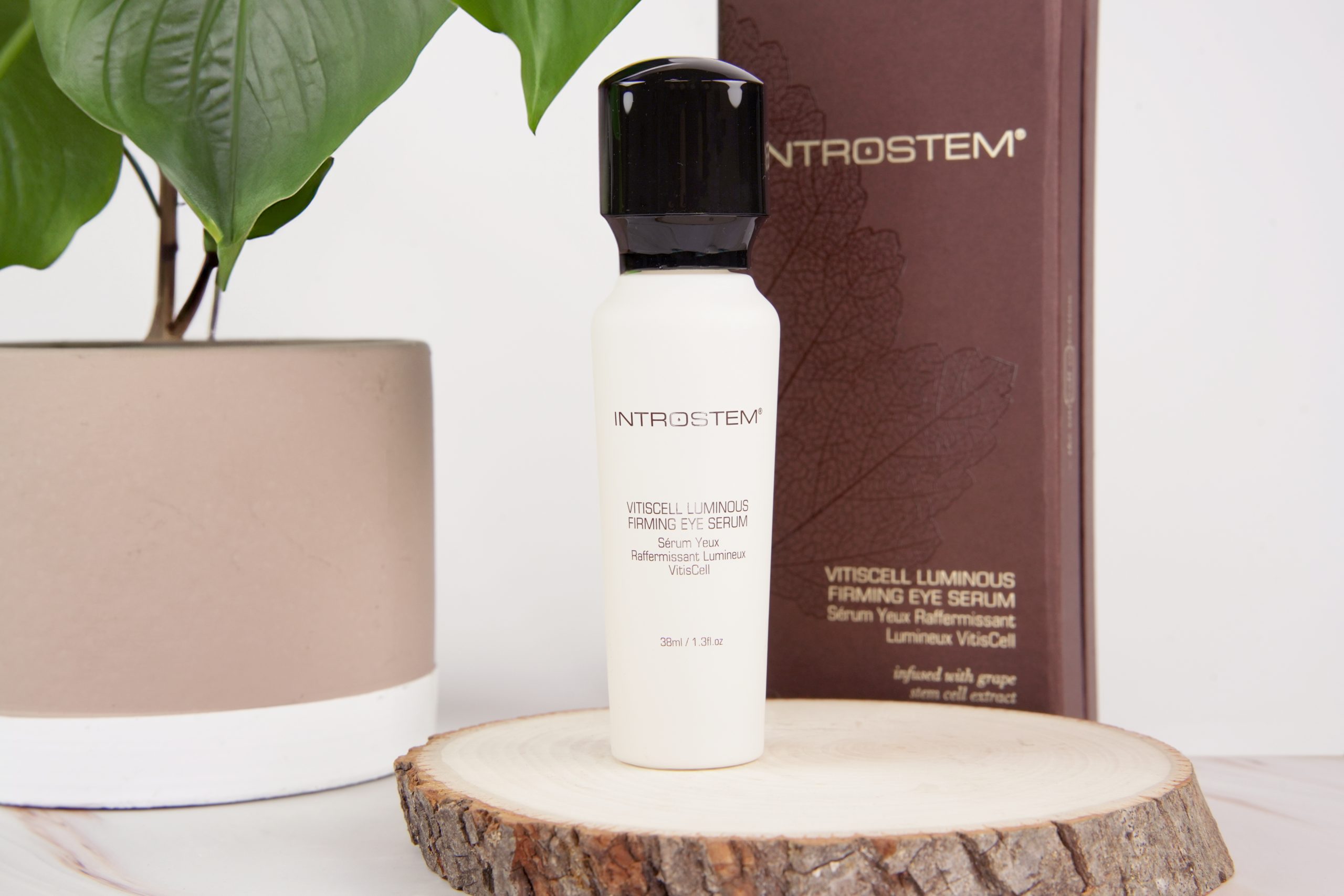
Target the eye area with specialized care designed for its unique needs. The Introstem VitisCell Luminous Firming Eye Serum combines grape stem cells with vitamin E to address the appearance of fine lines while providing essential moisture. Grape stem cells offer antioxidant support to help protect against the appearance of free radical damage, while vitamin E helps the skin retain moisture for a smoother, more contoured appearance around the eyes.
Apply eye serum consistently, both morning and night, making it a non-negotiable part of your routine. Use your ring finger to gently tap and press the product into your skin rather than rubbing or pulling, which can cause additional stress to this delicate area. Start from the inner corner and work outward, covering the orbital bone area but avoiding getting product directly in your eyes.
Consider also wearing sunglasses when outdoors to reduce squinting, which can minimize the formation of crow’s feet over time. Look for sunglasses that block 100% of UVA and UVB rays for maximum protection.
2. Dull, Uneven Skin Tone
When your skin loses its natural radiance and develops an uneven tone, it’s often a sign that cell turnover has slowed down. Fresh, youthful skin naturally sheds dead cells and reveals new ones regularly in a process that takes about 28 days in your twenties. This gradually slows with age and environmental exposure, sometimes extending to 40-50 days or longer in mature skin.
Sun damage, pollution, and oxidative stress can contribute to hyperpigmentation, age spots, and an overall lackluster complexion. Your skin might look tired even when you’re well-rested, or foundation that once matched perfectly now seems to sit on the surface rather than blend seamlessly. You might notice that your skin photographs differently too, appearing less luminous or more sallow in pictures than it used to.
This dullness often results from an accumulation of dead skin cells on the surface that scatter light unevenly, rather than reflecting it for that coveted glow. Additionally, reduced blood flow to the skin as we age means less oxygen and nutrients reach the surface, contributing to a tired appearance. Poor lifestyle habits, like inadequate sleep, dehydration, or a diet lacking in vital nutrients, can accelerate this process.
What to Do About It:
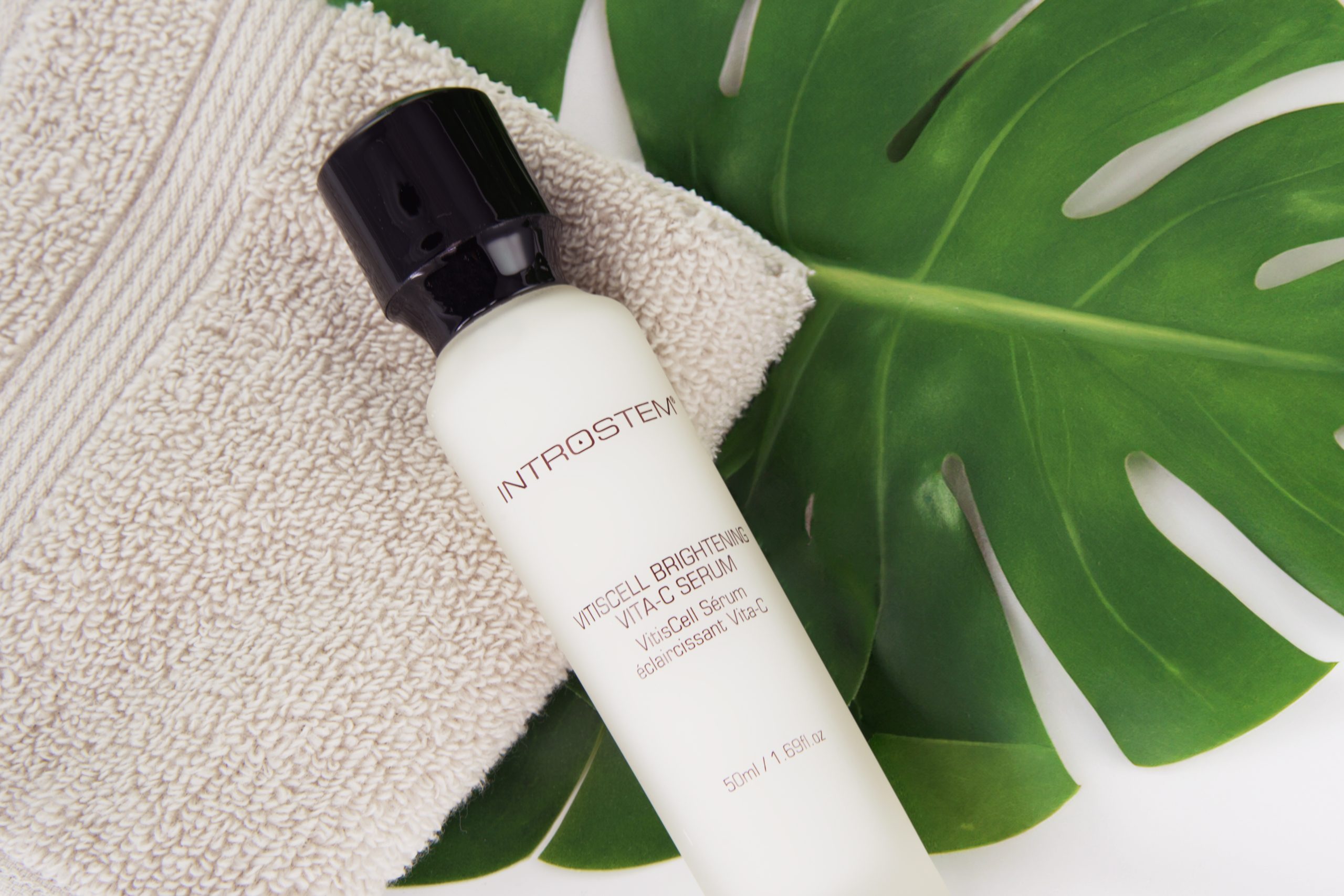
Incorporate complexion-brightening ingredients into your routine strategically. The VitisCell Brightening Vita-C Serum features vitamin C and grape stem cells to help revitalize the look of fatigued, dull skin. Vitamin C is known for its radiance-enhancing properties and the ability to support a more even-looking complexion, while the grape stem cells provide antioxidant benefits to help defend against the appearance of dullness triggered by environmental stress.
Apply this serum on freshly cleansed skin every morning, allowing it to absorb fully before following with moisturizer and SPF. The lightweight formula works to clarify and balance the appearance of uneven skin tone over time with consistent use. For best results, store vitamin C products away from direct sunlight and heat, as these can degrade the active ingredients.
3. Loss of Elasticity and Firmness
Touch your cheek and pay attention to how quickly your skin bounces back. If it seems to take longer than it used to, or if you’re noticing sagging around the jawline and cheeks, you’re experiencing a loss of elasticity. This is one of the most common signs of skin aging and occurs when the skin’s support structure begins to weaken.
Elasticity loss happens when elastin and collagen fibers break down faster than your body can produce new ones. Think of your skin’s structure like a mattress: collagen provides firmness, while elastin acts like springs that help it bounce back. As these components degrade, your skin loses its ability to snap back into place.
Sun exposure, smoking, poor nutrition, chronic stress, and natural aging all contribute to this process. When you pinch the skin on the back of your hand, and it takes several seconds to return to normal, that’s a clear demonstration of reduced elasticity. Less elastic skin is more prone to damage, slower to heal, and less effective at maintaining moisture.
What to Do About It:
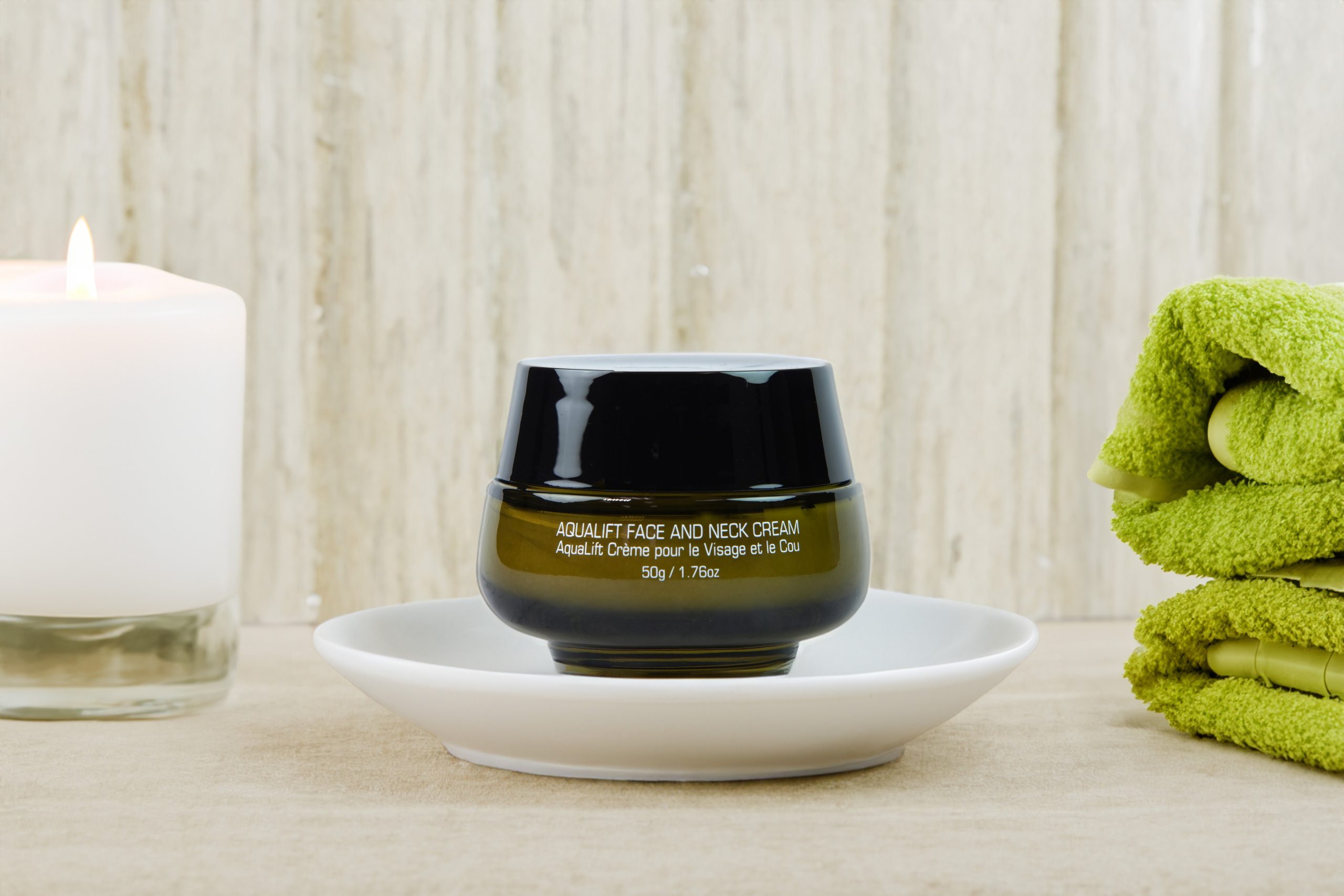
Focus on products that support the skin’s appearance of firmness and provide deep hydration. The Introstem Aqua Face and Neck Cream is designed to target both the face and often-neglected neck area, providing intensive hydration for a more contoured appearance.
Don’t forget to extend your skincare down to your neck and décolletage, applying products with upward motions. These areas show signs of aging just as quickly as your face, but are frequently overlooked. The skin on your neck is particularly thin and prone to showing elasticity loss through horizontal lines and sagging.
Facial massage techniques can also help support circulation and lymphatic drainage, which may contribute to a more lifted appearance over time. Use your product application as an opportunity for gentle upward massage movements.
4. Increased Dryness and Texture Changes
Your skin once felt smooth and supple, but now it feels rough, tight, or flaky. Changes in skin texture and increased dryness are clear indicators that your skin’s moisture barrier may be compromised, which is a key sign of skin aging.
As we age, our skin produces less natural oil, making it harder to maintain adequate hydration. This can lead to a rough, uneven texture, visible pores, and a feeling of tightness, especially after cleansing.
What to Do About It:
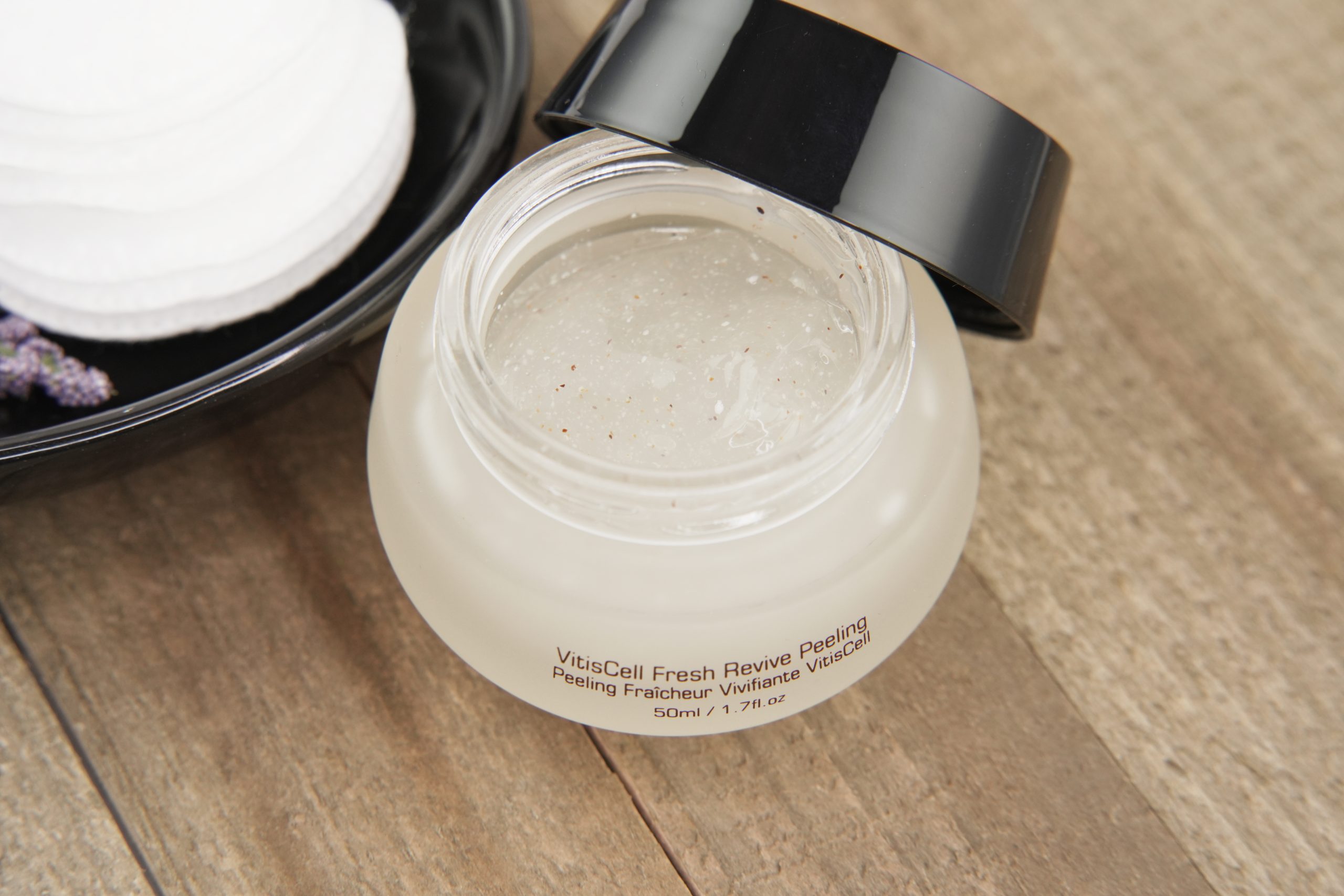
Regular exfoliation helps remove dead skin cells that can make texture issues more noticeable. The Introstem VitisCell Fresh Revive Peeling provides gentle physical exfoliation to help reveal a smoother, more refined complexion underneath.
After exfoliating (limit to 2-3 times per week), always follow with a hydrating product. Consider the VitisCell Day Repair Facial Cream to help replenish lost moisture and keep your skin’s natural barrier feeling supported throughout the day.
Remember that over-exfoliating can actually worsen dryness, so create a balanced routine that works for your skin type.
5. Visible Sun Damage and Age Spots
Dark spots, freckling, or areas of hyperpigmentation that weren’t there before are among the most visible signs of skin aging. Often called “age spots” or “sun spots,” these discolorations typically appear on areas that receive the most sun exposure: the face, hands, chest, and shoulders.
UV exposure causes melanin production to increase unevenly in the skin, resulting in these darker patches. While they’re harmless, they’re a clear indicator that your skin has accumulated sun damage over time.
What to Do About It:
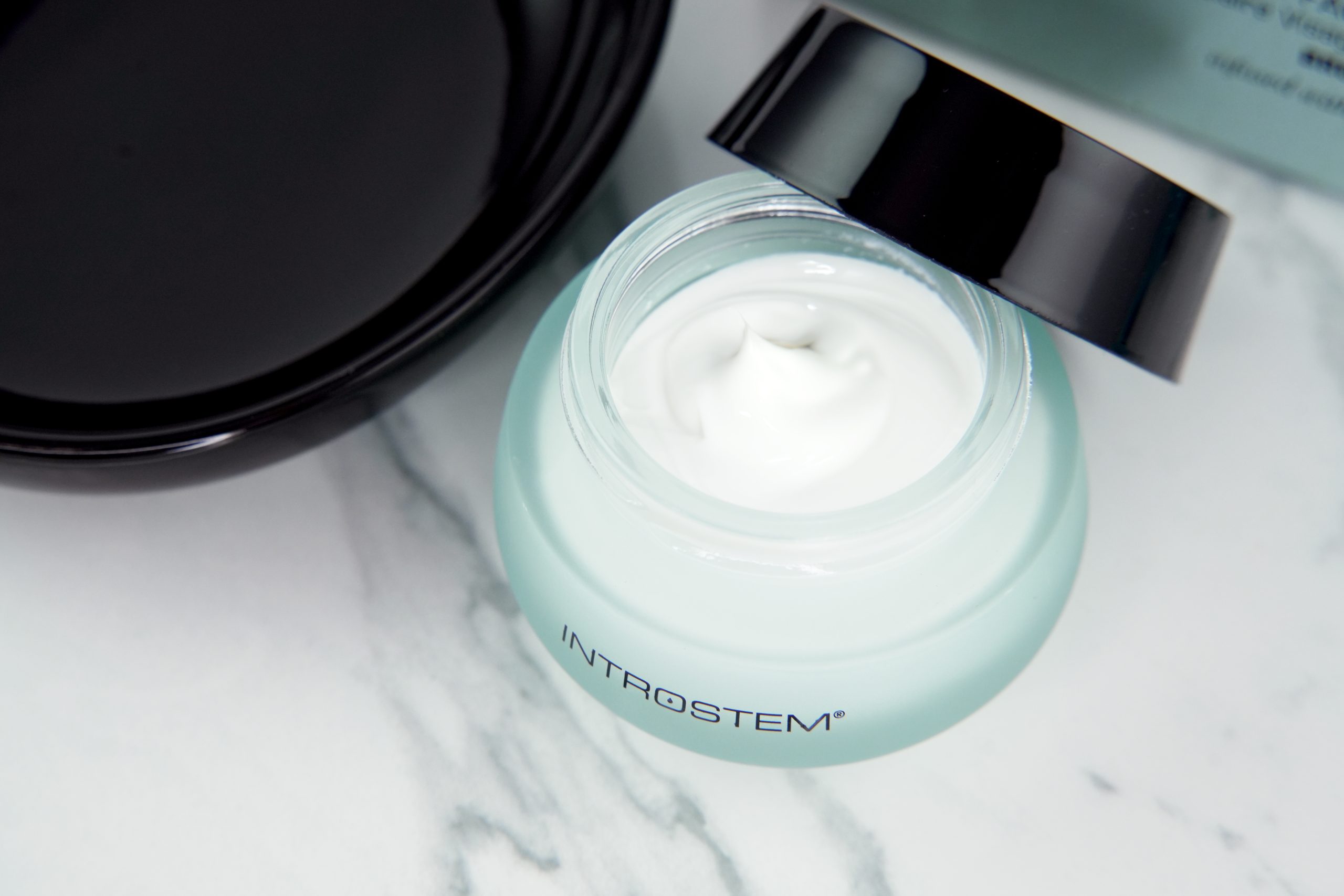
Prevention is your best defense. Daily sun protection is non-negotiable if you want to prevent further visible sun damage. The Introstem PrismaStem Face Shield Cream SPF 30 provides broad-spectrum protection while moisturizing the skin. Apply it every morning, even on cloudy days, and reapply throughout the day if you’re spending extended time outdoors.
For existing sun damage, consistency with the right serums and antioxidant-rich products can help improve the appearance of discoloration over time. Pair your daily SPF with vitamin C serums in the morning for added antioxidants.
Beyond Products: Lifestyle Factors That Matter
While quality skincare makes a significant difference, addressing the signs of skin aging requires a holistic approach:
Hydration: Drink adequate water throughout the day to support your skin from the inside out. Well-hydrated skin appears plumper and more resilient.
Sleep: Your skin repairs itself during sleep. Aim for 7-9 hours of quality sleep each night, and consider sleeping on your back to prevent sleep lines.
Diet: Consume foods rich in antioxidants, omega-3 fatty acids, and vitamins. Colorful fruits and vegetables, fatty fish, nuts, and seeds all support healthy skin.
Stress Management: Chronic stress can accelerate aging. Find stress-reduction techniques that work for you, whether meditation, exercise, or spending time in nature.
Avoid Smoking and Limit Alcohol: Both smoking and excessive alcohol consumption accelerate skin aging significantly. Making these lifestyle changes can have visible benefits for your skin.
When to Seek Professional Guidance
If you’re noticing dramatic changes in your skin or if concerns don’t improve with consistent skincare use, consider consulting a dermatologist. They can help identify underlying issues and recommend treatments tailored to your specific needs.
Professional treatments like chemical peels, microneedling, or laser therapy can complement your at-home routine for more significant concerns. However, maintaining a solid daily skincare regimen is essential for sustaining results from any professional treatment.
The Bottom Line
Recognizing the signs of skin aging early gives you the opportunity to take meaningful action. Whether it’s fine lines around your eyes, loss of firmness, uneven tone, texture changes, or sun damage, each sign tells you something about what your skin needs.
The key to addressing premature aging is consistency. Choose high-quality products with proven ingredients, protect your skin from sun damage daily, and support your skincare routine with healthy lifestyle choices. Your skin has remarkable resilience when given the right care and attention.
Remember, aging is natural and beautiful. The goal isn’t to stop time but to support your skin’s health and vitality at every stage of life. By addressing the signs of skin aging thoughtfully and consistently, you can maintain skin that looks and feels its best for years to come.
Ready to level-up your skincare routine? Click here to shop for more bestselling skincare products from VouPre.

0 comments on “5 Signs Your Skin is Aging Faster Than You Are…And What to Do About It”